ABCDEs of Melanoma
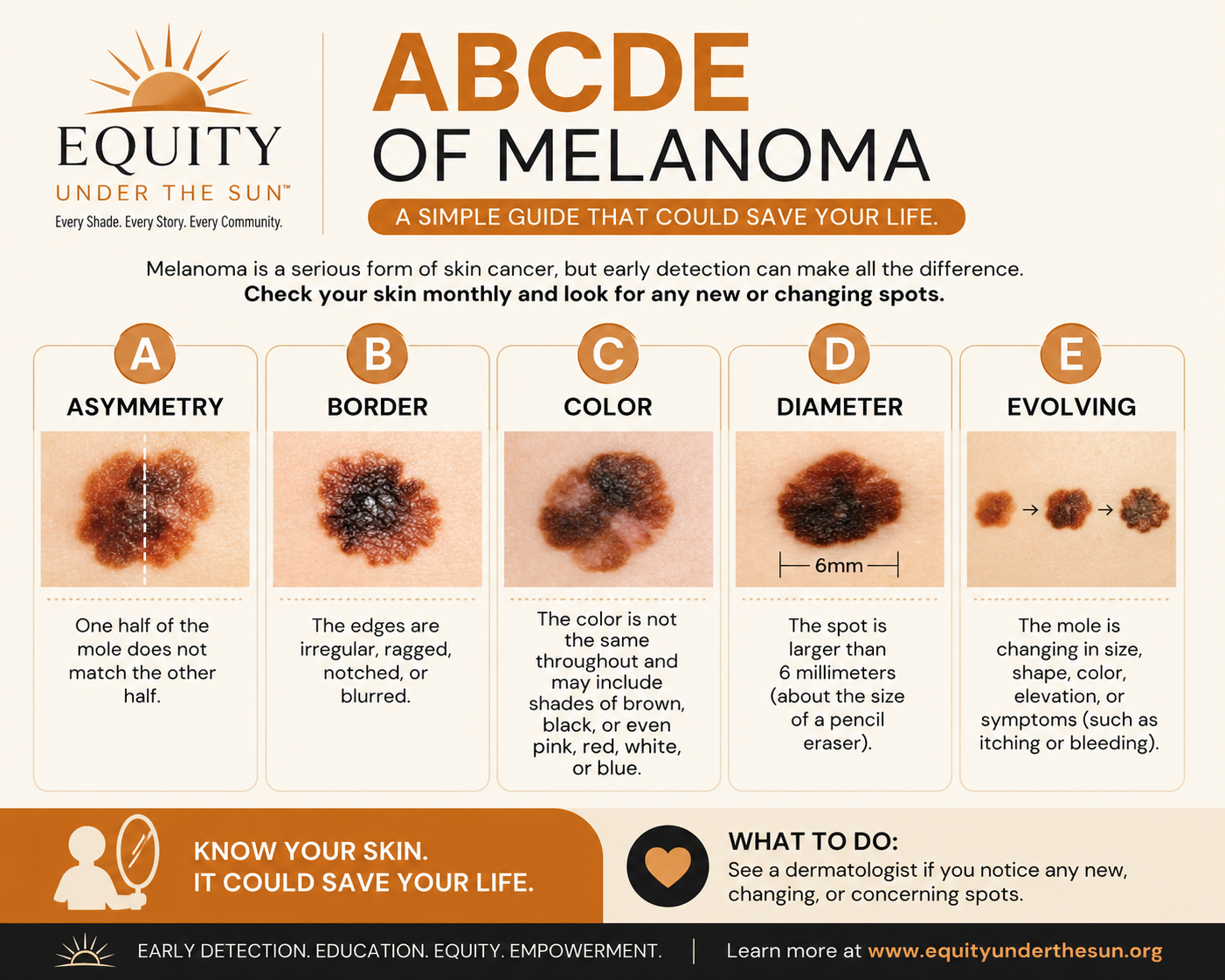
A simple visual guide to the five warning signs of melanoma — Asymmetry, Border, Color, Diameter, and Evolving.
Download Guide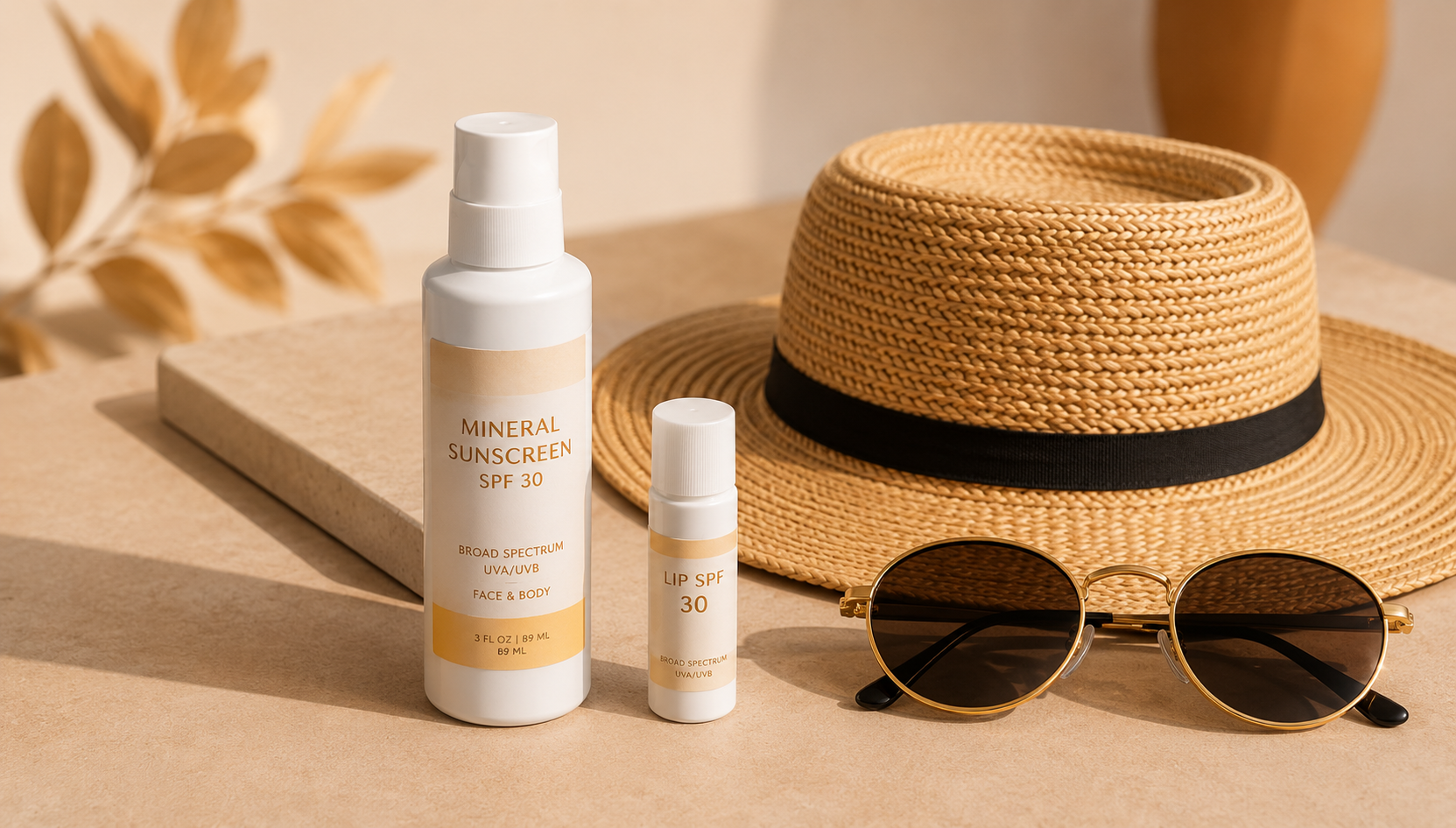
Explore free guides, fact sheets, and checklists designed to help you protect your skin, recognize warning signs early, and feel empowered in your skin health journey.
Every guide is free to download, print, and share within your community.
A simple visual guide to the five warning signs of melanoma — Asymmetry, Border, Color, Diameter, and Evolving.
Download Guide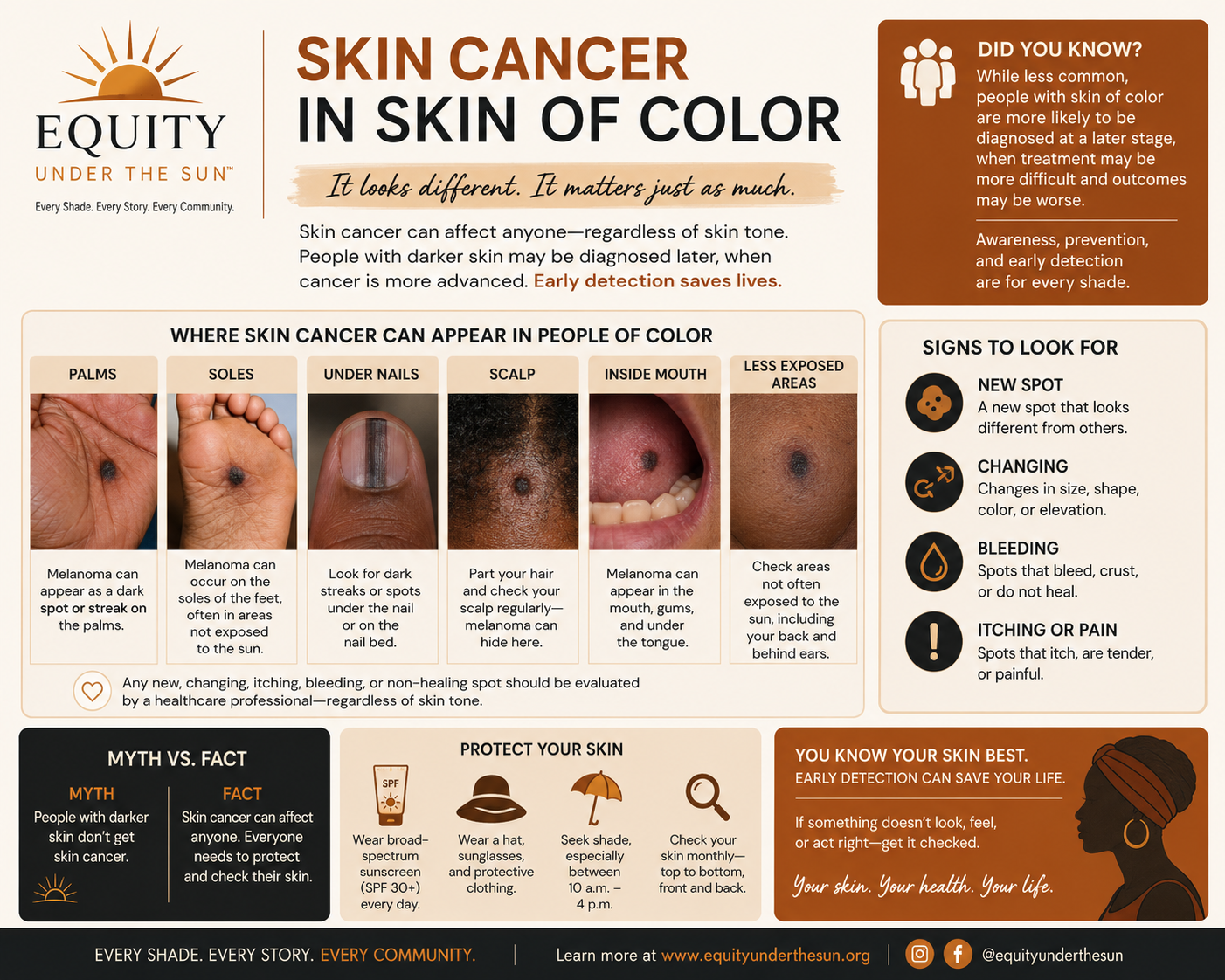
Where skin cancer can appear in people of color, what to look for, and why early detection matters just as much.
Download Guide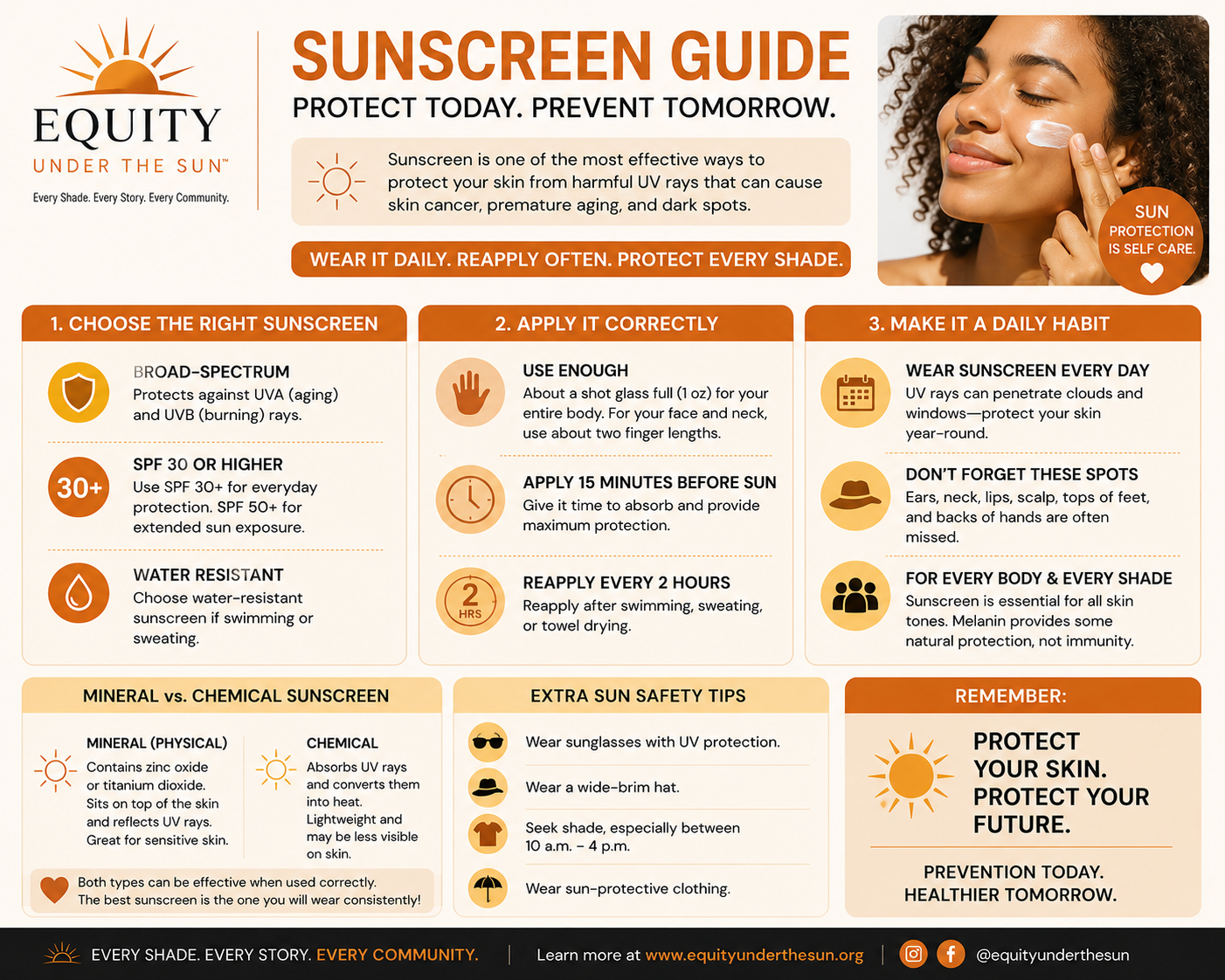
How to choose the right sunscreen, apply it correctly, and make daily sun protection a lasting habit.
Download Guide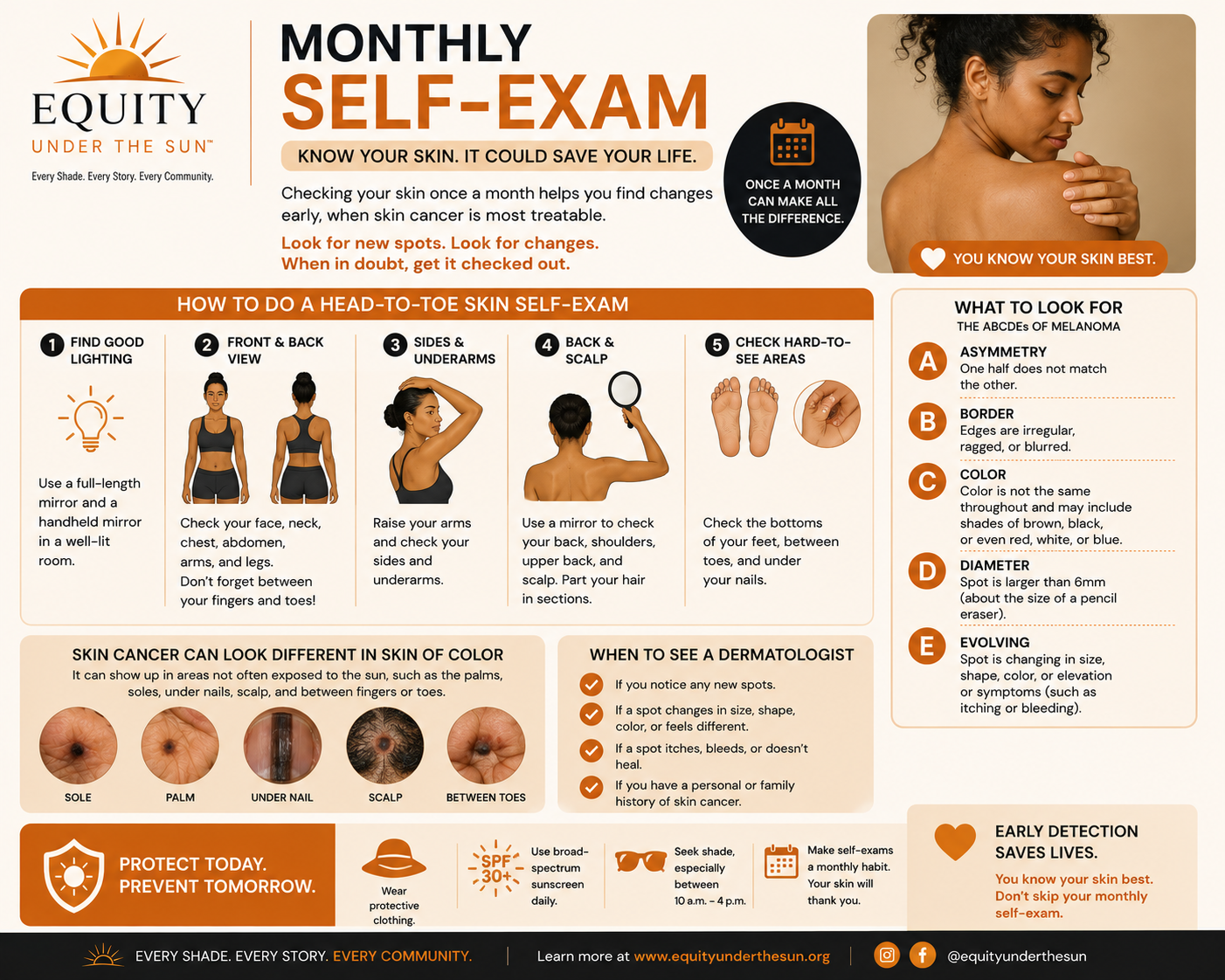
A step-by-step, head-to-toe checklist for performing a skin self-exam and knowing when to see a dermatologist.
Download Guide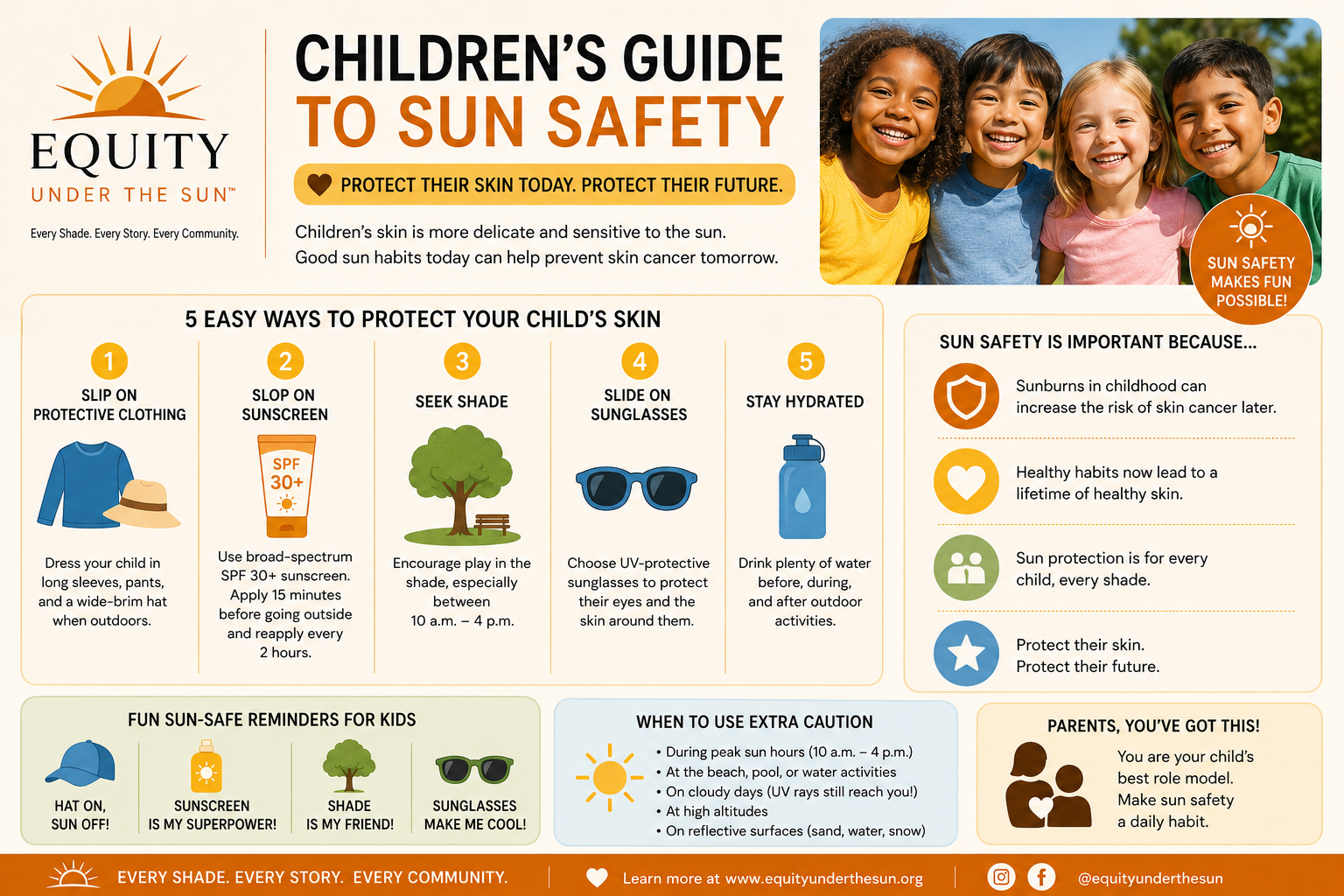
Sun-smart habits for kids — building lifelong protection through play, shade, and everyday routines.
Download GuideWe provide printed handouts, posters, and culturally inclusive education kits for community partners and clinics.
Partner With UsLook for broad-spectrum SPF 30+, water resistance, and formulas that blend seamlessly into every shade.
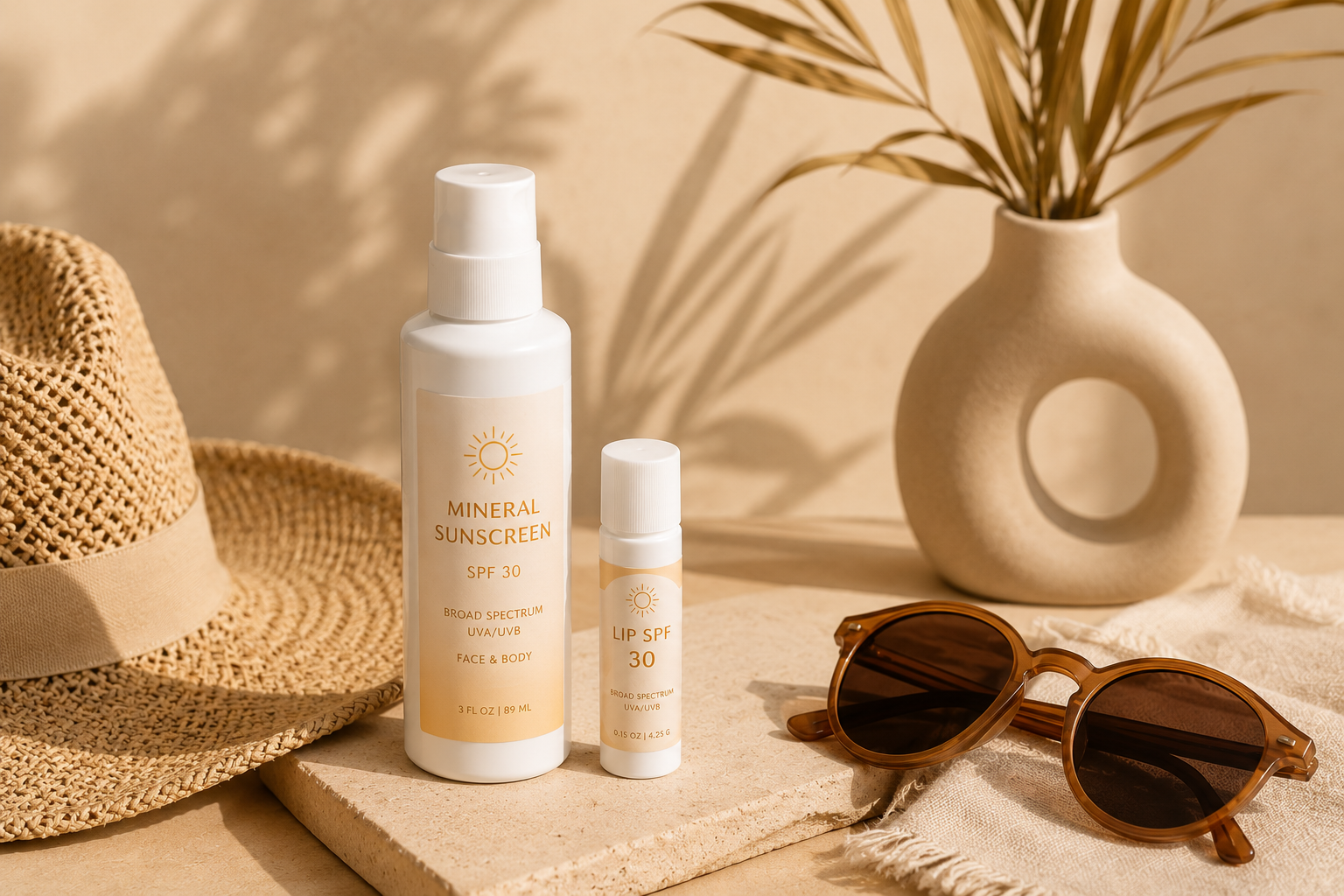
Zinc oxide & titanium dioxide formulas that sit on the skin and reflect UV rays.
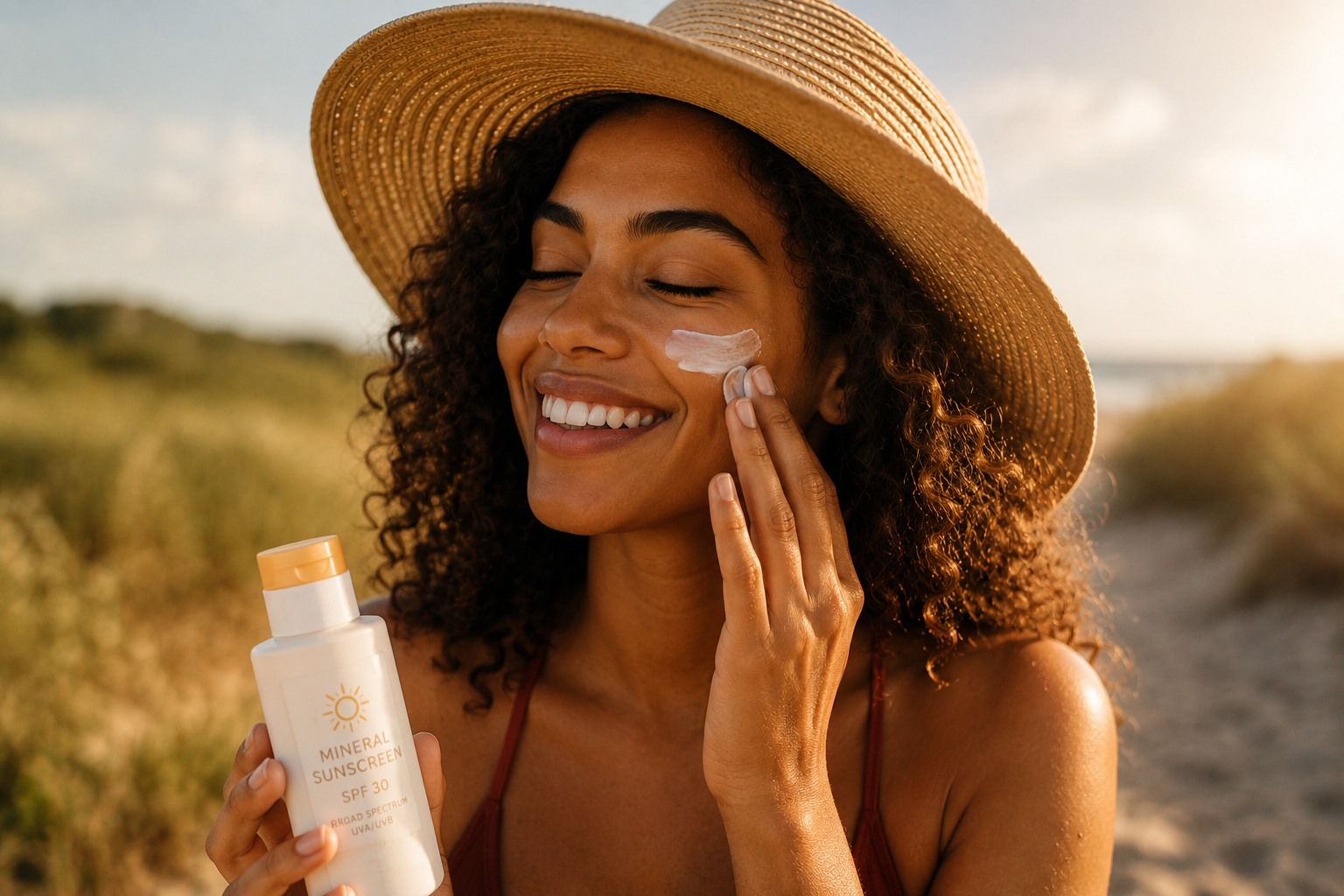
Blend seamlessly into a variety of skin tones with no white cast.
Easy, everyday protection — including lips and other spots often missed.

Wide-brimmed hats, UV sunglasses, and protective clothing for added defense.
The best sunscreen is the one you'll wear consistently. Product categories are shown for education — Equity Under the Sun does not sell or endorse specific brands.
Wear broad-spectrum SPF 30+ daily.
Use sunglasses with UV protection.
Wear wide-brimmed hats.
Choose sun-protective clothing.
Seek shade from 10 a.m.–4 p.m.
Yes. Skin cancer can affect people of every skin tone, including those with darker skin. While the overall risk may be lower, skin cancers in people with skin of color are often diagnosed at later stages, which can lead to more serious outcomes. Certain types of skin cancer may appear on the palms of the hands, soles of the feet, under the nails, or in areas not commonly exposed to the sun. Everyone should perform regular skin checks and seek evaluation for any changing or concerning spots.
Sunscreen should be worn every day, regardless of the weather or season. UV rays can penetrate clouds and windows, meaning your skin is exposed even on cloudy days or while driving. Apply sunscreen every morning as the last step in your skincare routine and reapply every two hours when outdoors, especially after swimming or sweating.
Choose a broad-spectrum sunscreen with SPF 30 or higher. Broad-spectrum protection helps shield your skin from both UVA rays, which contribute to aging, and UVB rays, which cause sunburns. If you spend extended time outdoors, participate in outdoor sports, or have a history of skin cancer, SPF 50 may provide additional protection.
If you spend most of your day away from windows, sunscreen indoors may not be necessary. However, if you sit near windows, drive frequently, or are exposed to natural light throughout the day, daily sunscreen use is still recommended because UVA rays can penetrate glass.
Mineral sunscreens contain ingredients such as zinc oxide and titanium dioxide that sit on the skin and help reflect UV rays. Chemical sunscreens absorb UV radiation and convert it into heat before it can damage the skin. Both types can be effective when used correctly. The best sunscreen is the one you will wear consistently.
Most adults need approximately one ounce (about a shot glass full) of sunscreen to cover their entire body. For the face and neck alone, use about two finger lengths of sunscreen. Applying too little sunscreen can significantly reduce the level of protection you receive.
Absolutely. Many modern sunscreens are formulated to blend seamlessly into a variety of skin tones without leaving a white cast. Look for tinted mineral sunscreens or clear chemical formulations if white residue has been a concern in the past. Sun protection is important for every skin tone.
A monthly self-skin examination is recommended. Check your entire body, including your scalp, palms, soles, nails, and areas that are difficult to see. Look for any new, changing, itching, bleeding, or non-healing spots and contact a dermatology provider if you notice anything concerning.
Schedule an evaluation if you notice a spot that is new, changing, bleeding, itching, painful, or not healing. You should also seek professional evaluation if a mole meets any of the ABCDE warning signs of melanoma: Asymmetry, Border irregularity, Color variation, Diameter larger than 6 mm, or Evolving / changing appearance. Early detection can make a significant difference in treatment outcomes.